
البرنامج التعليمي ” مدرسة الصم “
[:ar]
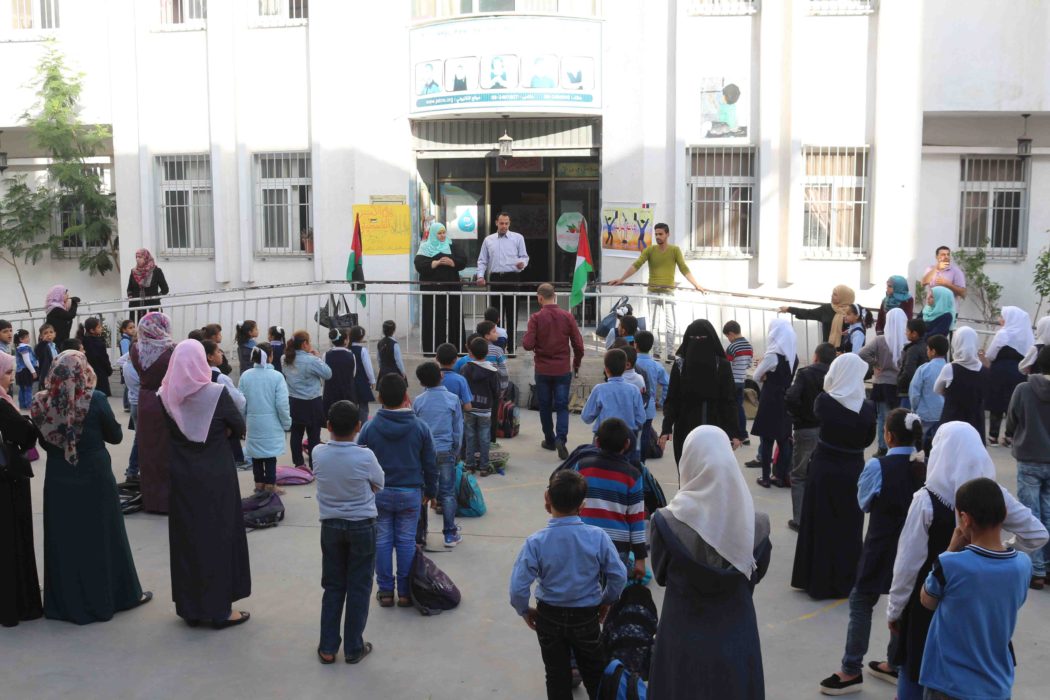
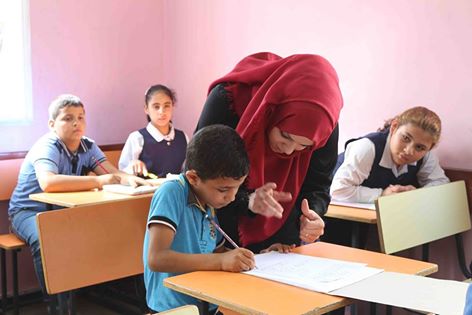
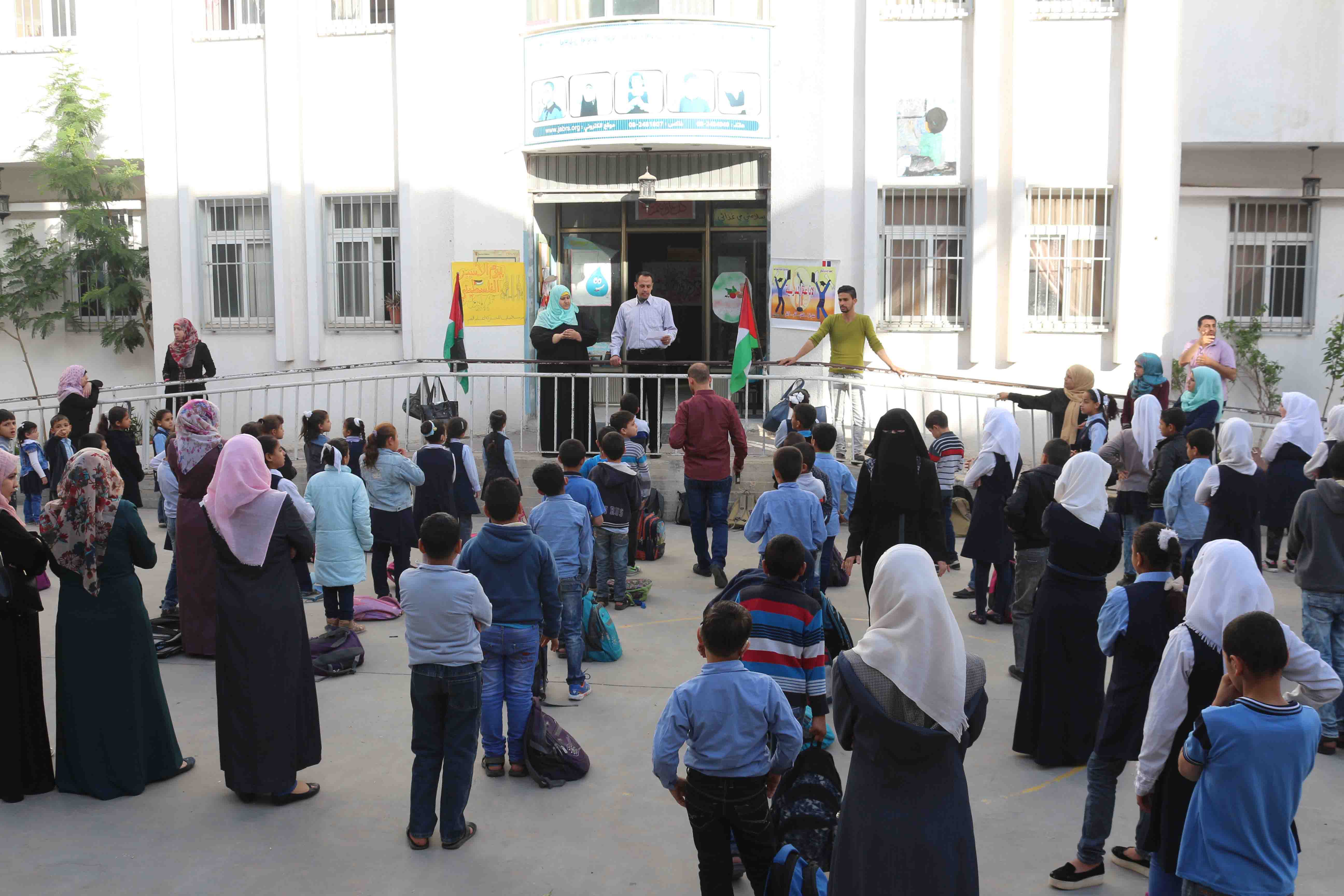
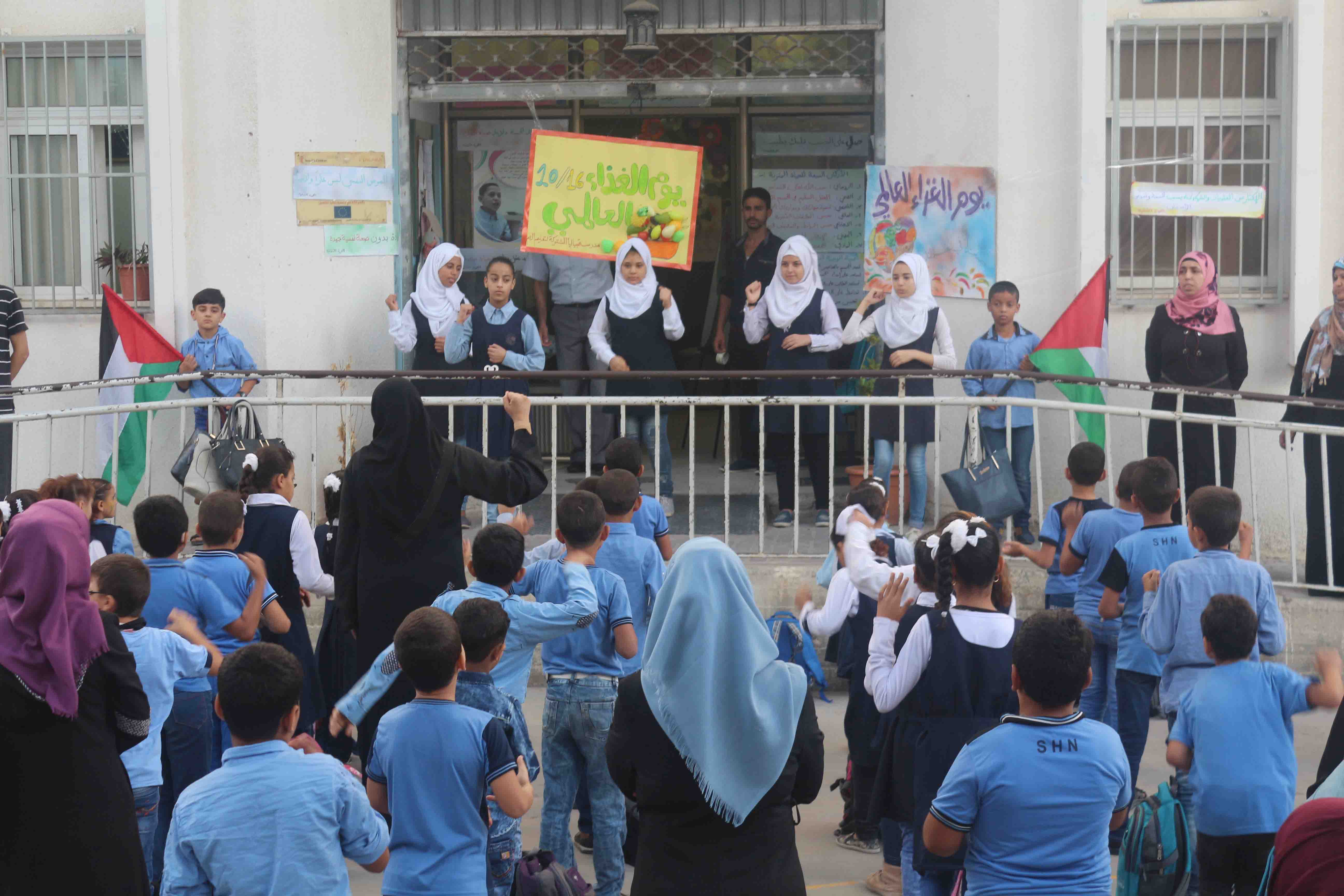
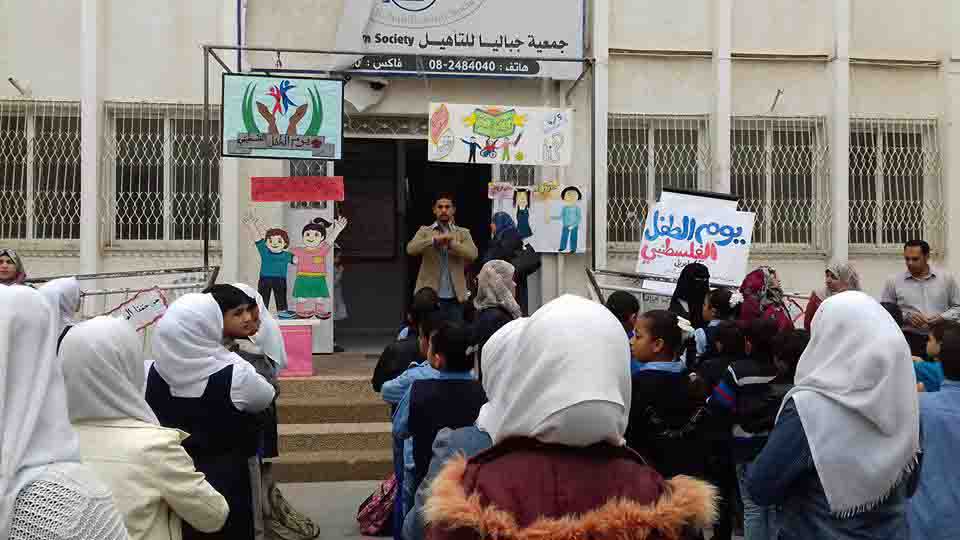
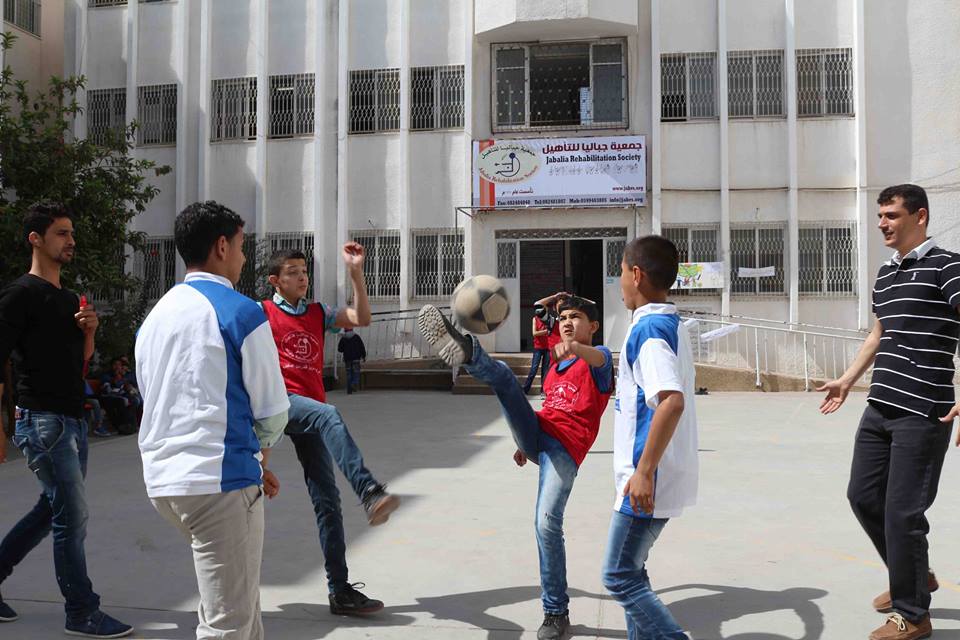
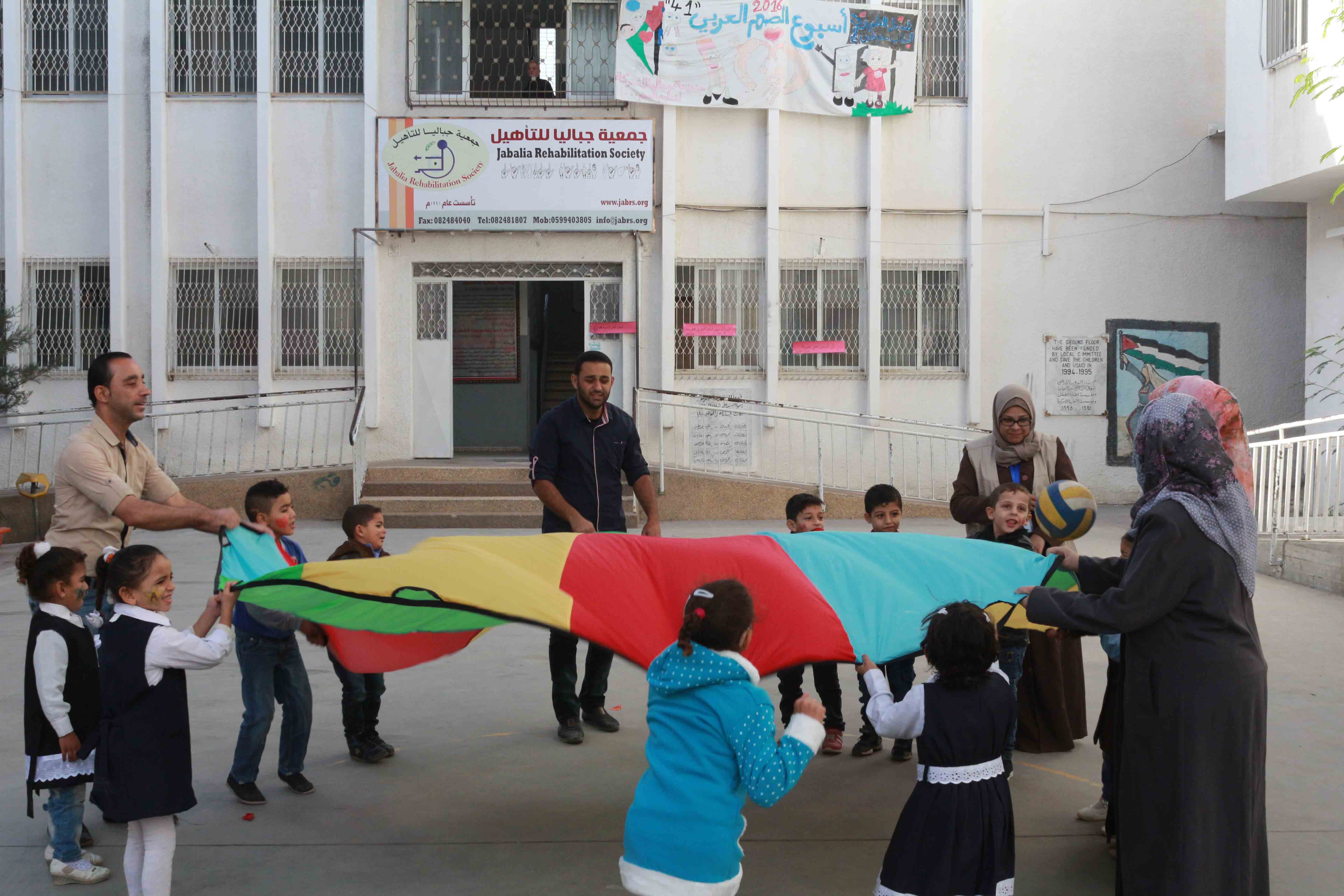
يهتم البرنامج بالأطفال ذوي الإعاقة السمعية في سن المدرسة من خلال “مدرسة جباليا المشتركة لتعليم الصم”، وقد عملت المدرسة على توفير الخدمة التعليمية وتزويد الطلبة بالمهارات الأكاديمية التي تناسب قدراتهم ومستواهم التحصيلي، ودمج الطلبة الصم ضمن الإطار الاجتماعي للمجتمع والتعامل معهم على نفس القدر والمساواة، وتأهيل الطلبة عملياً وفنيا وتربويا للعمل في المجالات المناسبة لقدراتهم وإمكاناتهم من أجل بناء مستقبلهم وتبصير أسر الطلبة ذوي الإعاقة السمعية وتعريفهم بأفضل سبل التعامل مع أبنائهم. وتقبل المدرسة الطلبة المتقدمين لها من سن الرابعة، ويجب أن يكون الطالب من ذوي الإعاقة السمعية ولا يعاني من إعاقة أخرى وألا تقل درجة الذكاء عن 70 درجة، ويتم فحص الطالب طبياً قبل الالتحاق بالمدرسة.
الخدمات التعليمية المقدمة في برنامج تعليم الصم:
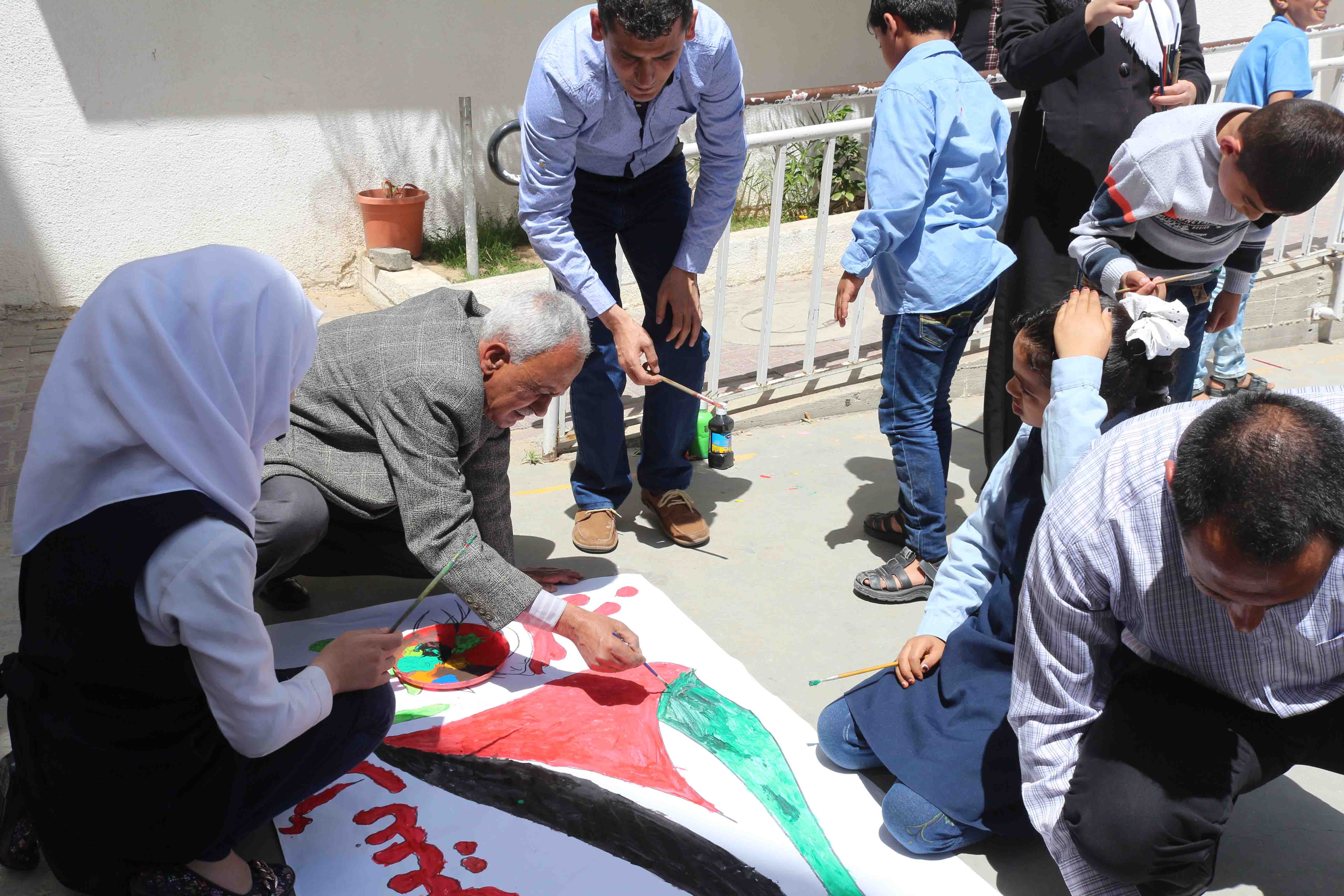
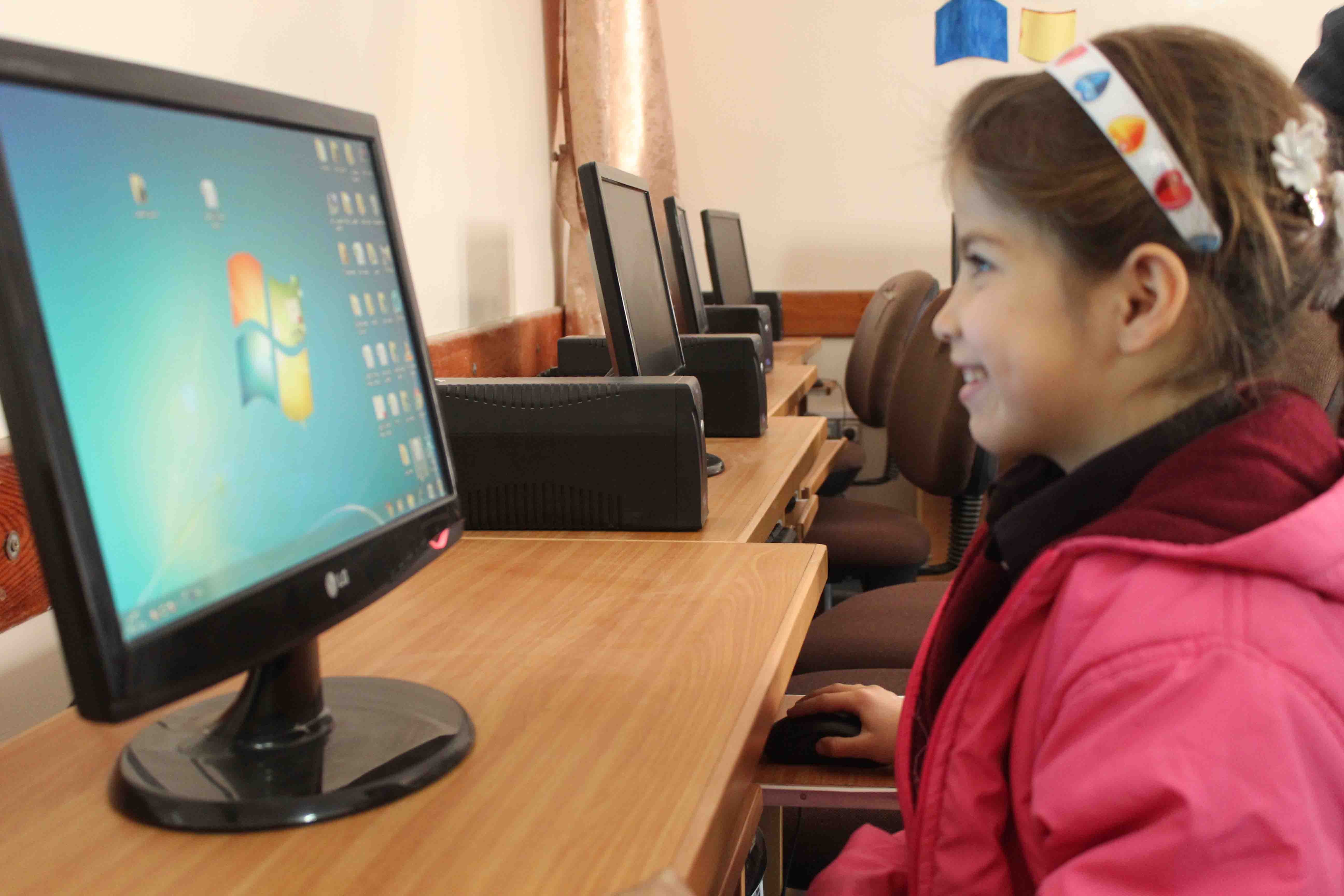
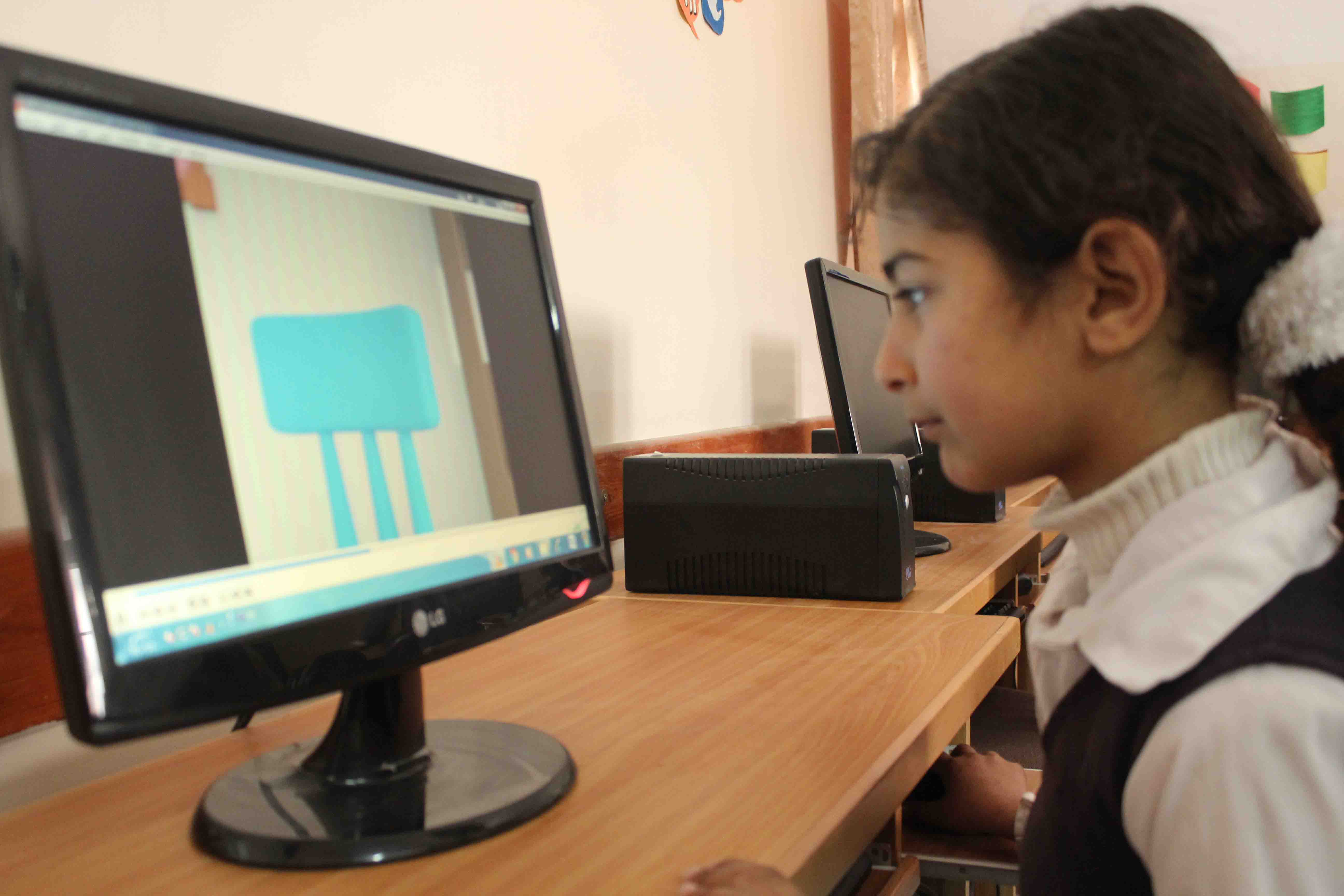
يقدم البرنامج خدمات تعليم أساسي للطلبة ذوي الإعاقة السمعية (الصم) في مرحلة التعليم الأساسي حتى الصف التاسع الأساسي، ويدرس الطلبة خلال هذه المرحلة: اللغة العربية والتربية الإسلامية والحساب والعلوم والدراسات الاجتماعية واللغة الإنجليزية بالإضافة للتربية الفنية والرياضية ومهارات الحاسوب، وقد استفاد من خدمات التعليم في البرنامج خلال العام 2016 عدد 94 طالب/ة ويشرف على خدمات التعليم في البرنامج طاقم مكون من مدير للمدرسة و 16 معلم ومعلمة ومرشد تربوي، ويبدأ العام الدراسي في بداية سبتمبر وينتهي في نهاية مايو حسب إقرار الوزارة.
[:en]
The overall Objective: Create a stimulating learning environment for children with hearing impairment in the Northern Gaza region.
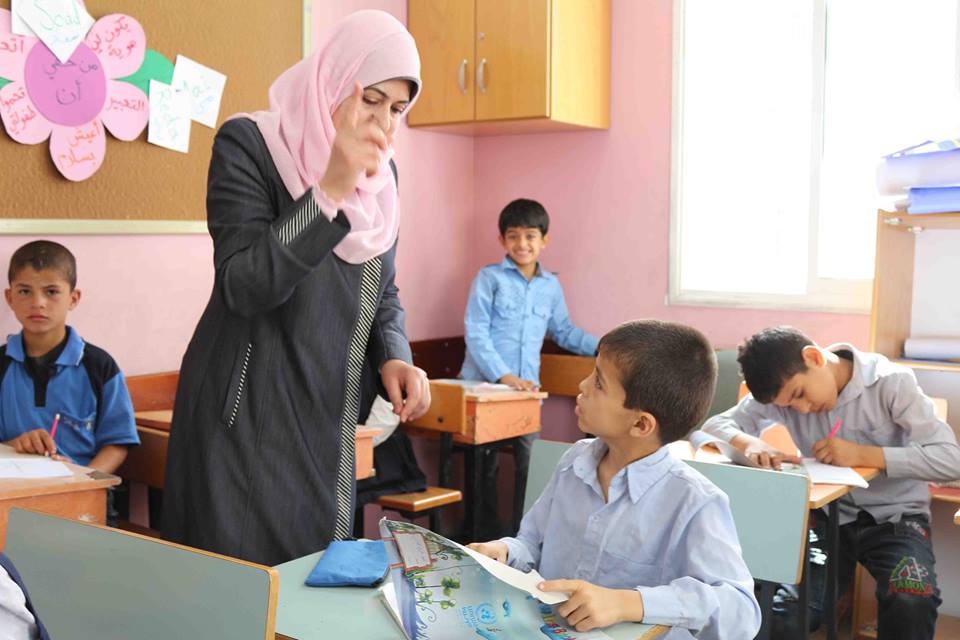
The program provides basic education services to children with hearing impairment from the first to the ninth grade. The children are provided with academic tasks that are appropriate to their abilities and equivalent to the school curriculums credited by the Ministry of Education. The program includes the provision of early intervention services to pre-school aged children.
In addition, the program works for the active integration of children with hearing impairments in community activities, where they are regarded on an equal basis with other children. Additionally, children with hard of hearing are provided with hearing aids to promote the best possible benefit from their residual hearing ability. To promote the best teaching-learning process and achieve better learning outcomes, the teaching staff designs and uses a variety of teaching tools that are appropriate to the children’s abilities and in accordance with the learning goals indicated in the credited curriculums. In support of the educational process, the program also provides psychosocial services for the children and their families that include awareness and consultation sessions, In addition, the program conducts regular hearing, speech, and language examinations for the students attending the educational program, to determine any changes in these capabilities and facilitate hearing aids for those who need them, and / or make necessary maintenance on the hearing aids they already have. Moreover, these children are provided with individual and group speech and language therapy sessions to ensure the highest level of utilization of verbal communication through the educational process.